
What To Do If Your Car Breaks Down on the Highway
Understanding the critical steps to take if your car breaks down on the highway is essential for your safety and for managing an already stressful situation effectively. Highway breakdowns can be dangerous due to fast-moving traffic, limited shoulder space, and reduced reaction time for other drivers. Being prepared allows you to respond calmly and avoid making decisions that could increase risk. Knowing what to do also minimizes confusion and helps you regain control of the situation more quickly. This guide outlines practical, step-by-step actions to protect yourself, communicate effectively, and resolve the issue efficiently. By staying informed, you can approach highway breakdowns with greater confidence and awareness.
Section 1: Prioritizing Immediate Safety
The first moments after a breakdown are critical and should be focused entirely on safety. If possible, carefully guide your vehicle toward the shoulder using your turn signal to alert nearby drivers. Choose a location that is as far from traffic as possible and ideally on flat ground to prevent vehicle movement. Once stopped, immediately activate your hazard lights so approaching motorists can identify your vehicle from a distance. These actions help reduce the risk of secondary accidents and establish a safer environment while you assess next steps.
Visibility plays a major role in highway safety, especially during nighttime or poor weather conditions. Using reflective warning triangles or roadside reflectors placed at increasing distances behind your vehicle alerts drivers well in advance. Remaining inside your car with your seatbelt fastened is often the safest option when traffic is heavy. However, if your vehicle is in a dangerous position or showing signs of fire or smoke, exiting safely and moving away from traffic may be necessary.
Section 2: Evaluating the Breakdown
Once immediate safety measures are in place, assessing your vehicle’s condition helps determine the appropriate response. Turn off the engine and take note of any dashboard warning lights, unusual sounds, or visible issues such as smoke or leaking fluids. These indicators often provide insight into whether the problem is minor or requires professional assistance. A calm, methodical evaluation prevents unnecessary actions that could worsen the situation.
Identifying the issue also helps when communicating with assistance providers. Simple problems like a flat tire or drained battery may be manageable if you have the right tools and experience. More complex issues, such as engine overheating or transmission trouble, typically require expert help. Accurately describing symptoms ensures faster resolution and helps responders arrive prepared with the right equipment.
Section 3: Communicating Clearly and Efficiently
Clear communication is essential during a highway breakdown. Contacting roadside assistance should be done as soon as you determine the issue cannot be safely resolved on your own. Provide precise details about your location, direction of travel, nearby landmarks, and the condition of your vehicle. Accurate information reduces delays and allows responders to reach you efficiently.
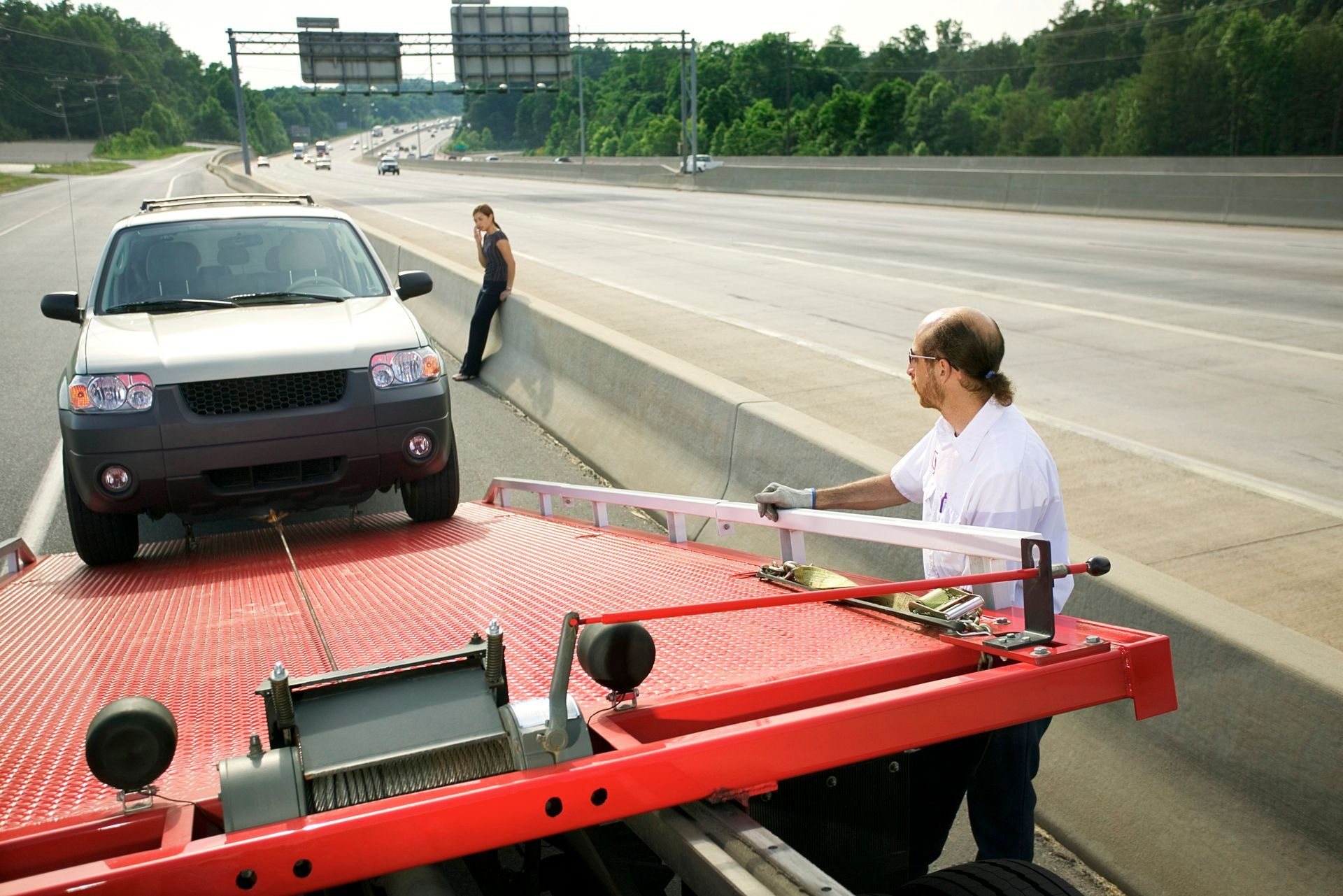
In more serious situations involving accidents or hazards, emergency services should be contacted immediately. Informing family or friends of your situation adds an extra layer of support and accountability. Many modern smartphones allow GPS location sharing, which helps others track your position and provide updates if conditions change. When roadside help is delayed, professional towing services play a critical role in removing disabled vehicles from active traffic lanes.
Section 4: Managing Temporary Solutions
Some breakdowns allow for temporary fixes if conditions are safe and you are confident in your abilities. Changing a flat tire, jumpstarting a battery, or topping off coolant are common examples. Always consult your vehicle manual and prioritize personal safety over speed. Attempting a repair in unsafe traffic conditions can be far more dangerous than waiting for help.
Minor solutions should only be used to reach a safer location or repair facility. Temporary measures do not replace proper mechanical evaluation. If there is any uncertainty, seeking professional assistance is the safer option. In many cases, towing services provide the safest and fastest way to prevent further vehicle damage.
Section 5: Seeking Professional Assistance
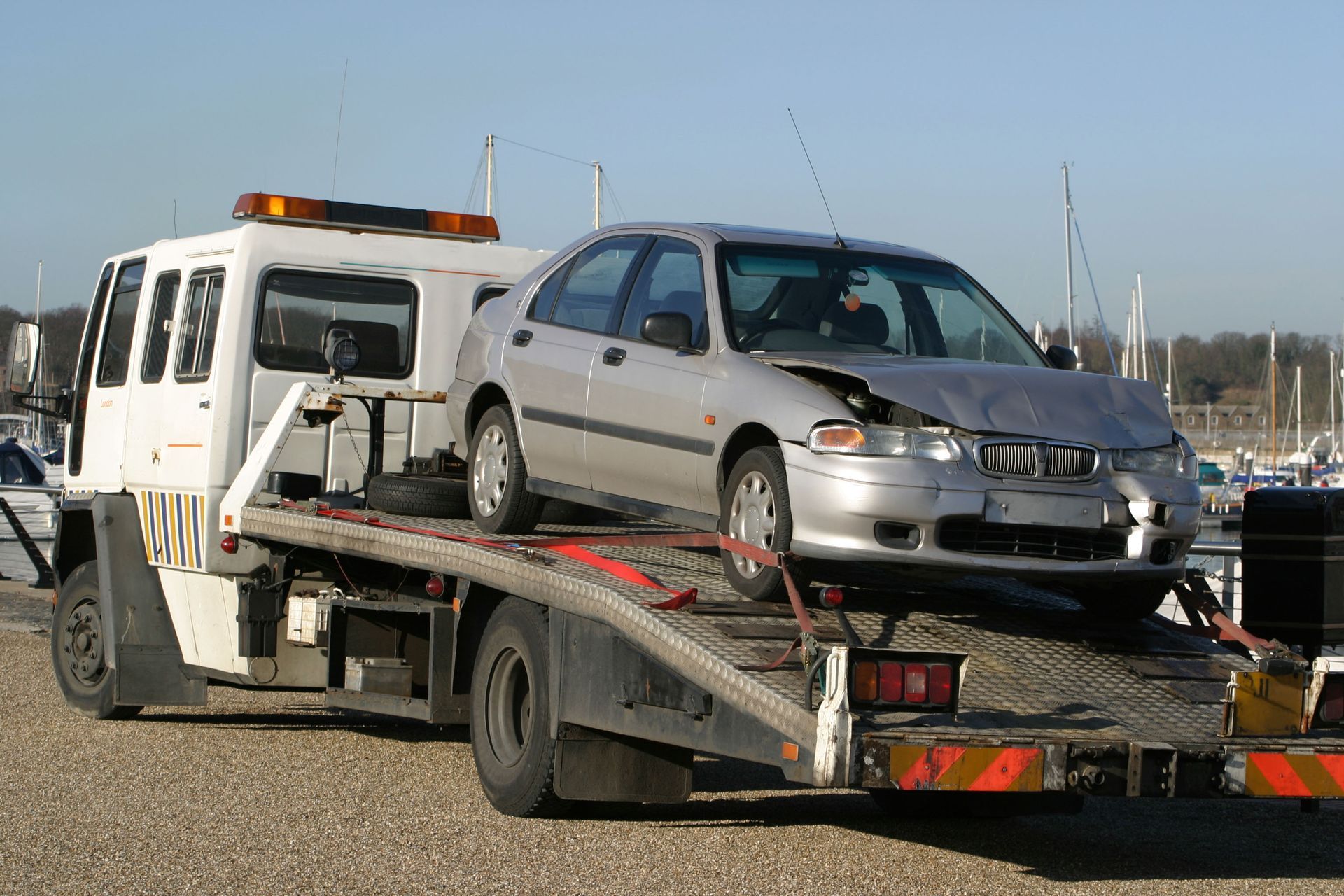
When roadside repairs are not possible, professional help becomes necessary. Selecting reliable towing services ensures your vehicle is transported safely without causing additional damage. Clear communication about your vehicle type, condition, and destination helps streamline the process. According to IBISWorld, steady growth in the towing industry reflects increased availability and improved response capabilities.
Once your vehicle reaches a repair facility, obtaining a detailed estimate helps you make informed decisions. Written estimates clarify labor and parts costs, reducing the risk of unexpected charges. Insurance policies and manufacturer programs may also cover portions of towing services, making it important to understand your coverage before authorizing repairs.
Section 6: Planning for Future Prevention
Preventive measures significantly reduce the likelihood of highway breakdowns. Routine vehicle maintenance, including fluid checks, tire inspections, and brake servicing, helps identify problems before they escalate. Keeping an emergency kit stocked with essential supplies ensures you are prepared for unexpected situations. These habits improve reliability and enhance overall driving confidence.
Having a roadside assistance plan offers peace of mind, particularly for frequent drivers. Many plans include towing services, fuel delivery, and lockout assistance, reducing stress during emergencies. Educating yourself on basic vehicle care and safety practices further strengthens your ability to handle roadside issues calmly and effectively.
Section 7: Managing Stress and Staying Alert
Experiencing a vehicle breakdown on the highway can trigger anxiety, especially when traffic is heavy or conditions are unfavorable. Managing stress in these moments is essential for making sound decisions. Take slow, steady breaths and focus on practical steps rather than worst-case scenarios. Keeping a clear head helps you follow safety procedures correctly and communicate effectively with others who may be assisting you.
Staying mentally alert is just as important as remaining physically safe. Avoid distractions such as excessive phone use unrelated to resolving the situation. Pay attention to surrounding traffic patterns, weather changes, and instructions provided by assistance professionals. Remaining calm and observant allows you to adapt quickly if conditions change, such as reduced visibility or increased traffic congestion.
Section 8: Understanding Highway Environment Risks
Highways present unique environmental risks that drivers may not encounter on local roads. High speeds reduce reaction time for passing motorists, while narrow shoulders limit safe movement around a disabled vehicle. Large commercial trucks can create strong air turbulence, which may affect vehicle stability or dislodge poorly secured items. Recognizing these factors reinforces the importance of minimizing movement and maintaining visibility.
Weather conditions further compound highway risks. Rain can reduce tire traction, heat can increase engine stress, and fog can significantly limit visibility. Being aware of how these elements interact with your situation helps you make informed choices, such as waiting inside the vehicle or relocating to a safer area when possible.
Section 9: Learning From the Experience
Every breakdown offers an opportunity to improve future preparedness. After the situation is resolved, take time to reflect on what went well and what could be improved. Consider whether your emergency supplies were adequate, if your maintenance schedule needs adjustment, or if additional knowledge would be helpful. These reflections can lead to meaningful improvements in your overall driving readiness.
Updating your emergency kit, reviewing maintenance records, and educating yourself further transforms an inconvenient event into a valuable learning experience. By applying these lessons, you reduce the likelihood of repeat incidents and increase your confidence in handling unexpected challenges on the road.
A car breakdown on the highway can be unsettling, but preparation and knowledge make a significant difference. By focusing on safety, assessing the situation carefully, communicating clearly, and relying on professional towing services when necessary, you can manage these incidents with greater control and confidence. Preventive planning and awareness not only protect you during emergencies but also contribute to safer roads for everyone. Contact our team at Beeline Towing & Recovery today and get connected with our roadside services.

Share On: