
Truck and Trailer Towing Services for Heavy Duty Needs
The demand for reliable truck and trailer towing services is growing as the transportation and logistics industries expand. Understanding the nuances of heavy-duty towing is essential for businesses requiring such services. Whether it's transporting goods across long distances or managing local deliveries, efficient towing services are crucial in maintaining supply chain integrity. As businesses face increasing logistical challenges, the importance of partnering with reliable towing service providers cannot be overstated.
The Importance of Heavy Duty Towing Services
Understanding Heavy Duty Towing
Heavy-duty truck and trailer towing encompasses more than just moving vehicles; it involves the transportation of massive equipment, large trailers, and industrial machinery. The complexity of these operations requires specialized knowledge and equipment tailored to handle substantial weights and sizes. This type of towing differs significantly from light-duty towing, focusing on essential industries that rely on the timely and safe transport of their assets. Professional towing services are imperative for ensuring that businesses can continue operations seamlessly, even in the face of unexpected road mishaps. The efficiency of these services not only keeps industries running but also safeguards valuable cargo and equipment.
Benefits of Professional Towing for Businesses
Engaging with professional truck and trailer towing services offers several advantages for businesses, chief among them being reliability and efficiency. Such services ensure minimal downtime by providing fast and responsive towing solutions, essential for operations that demand precise time management. Another benefit is the assurance of safety, as professional providers are well-versed in industry standards and regulations, reducing the risk of accidents during towing. Additionally, by outsourcing towing needs, businesses can focus their resources on core functions while still ensuring that logistical requirements are met. Professional towing services also enhance customer satisfaction, as businesses can maintain smooth operational processes.
Safety and Compliance Standards
In the world of heavy-duty truck and trailer towing, adherence to safety and compliance standards is not just beneficial but essential. Towing companies must follow national and regional regulations to ensure the safe transport of goods and machinery. These standards encompass vehicle maintenance, operator training, and procedural regulations that mitigate risks during towing operations. Compliance also involves adhering to weight limits and ensuring that the equipment used is up-to-date and regularly inspected. Safety protocols, in turn, protect not only the assets being transported but also other road users, which enhances public trust in towing services.
Economic Impact of Efficient Towing Services
Efficient truck and trailer towing services play a pivotal role in the economic health of numerous industries by minimizing logistical disruptions. Rapid response times and effective towing operations ensure that businesses can continue their activities without significant interruptions. The economic impact extends to reduced costs associated with delays and damages, enabling companies to maintain profitability and a competitive edge. According to Grand View Research, towing commands the largest portion of global revenue within the roadside assistance sector, accounting for 32% of the market. This substantial impact highlights the financial relevance of proficient towing services across various economic sectors.
Types of Heavy Duty Towing Equipment
Breakdown of Tow Trucks
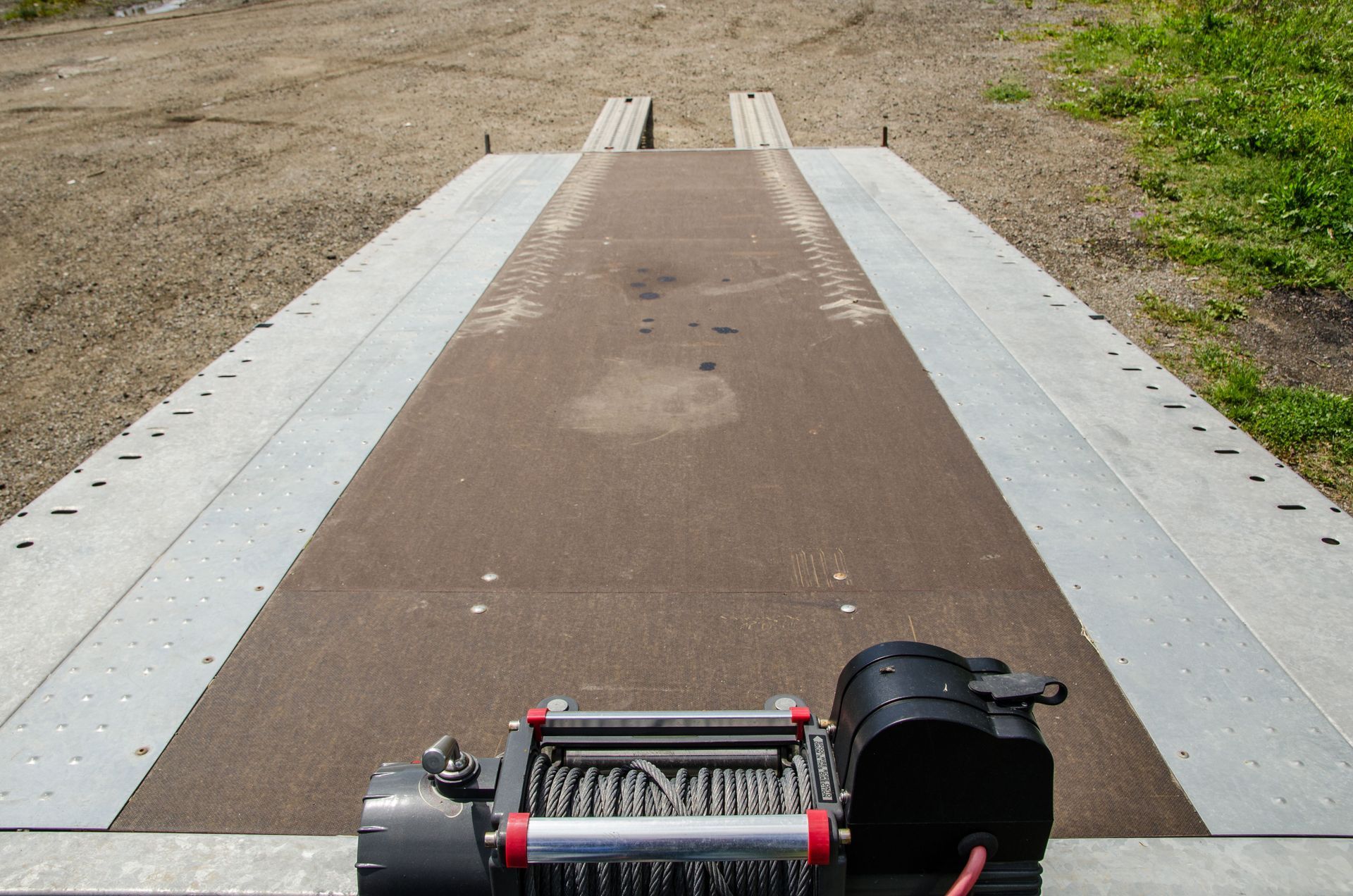
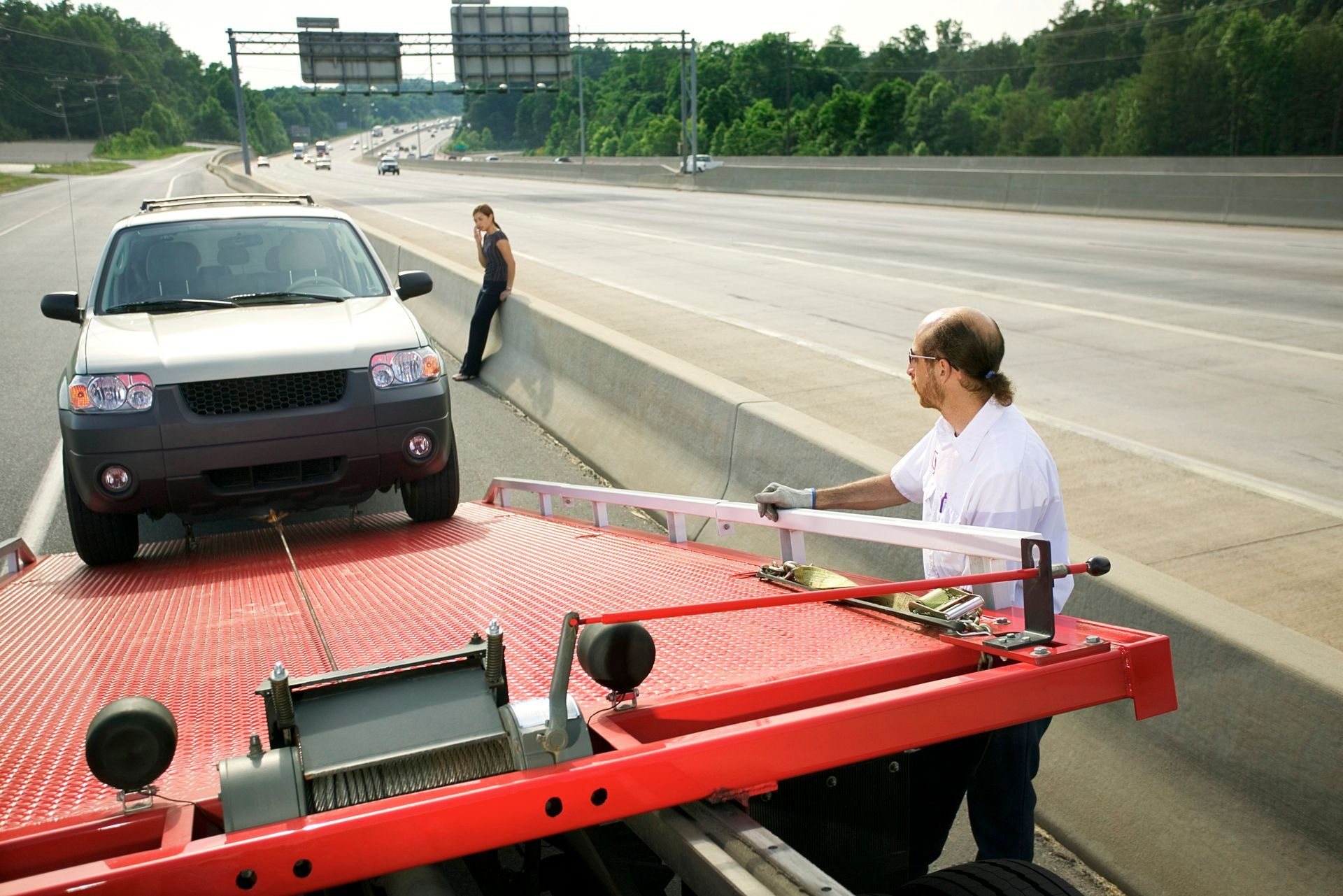
Tow trucks are the backbone of heavy-duty towing operations, with several types designed for specific tasks. Common categories include wheel-lift, integrated, and flatbed tow trucks, each offering unique advantages and capabilities. Wheel-lift trucks are often used for quick tasks, lifting vehicles by the tires, while integrated trucks are suitable for heavier loads due to their additional axles and support arms. Flatbed tow trucks provide a stable platform for transporting vehicles and machinery, enhancing safety during long-distance hauls. Investing in the right type of tow truck is crucial for towing companies to meet the diverse needs of their clients.
Trailers and Their Specific Uses
Trailers play a pivotal role in enhancing the capacities of heavy-duty towing services by enabling the transport of unusually shaped or oversized loads. Lowboy trailers are preferred for transporting heavy machinery such as bulldozers and excavators due to their lowered frame, offering better stability. On the other hand, extendable trailers cater to transporting extremely long items, like steel beams or pipes, thus providing flexibility in handling various transport requirements. Enclosed trailers protect valuables and fragile cargo from environmental elements, ensuring safe delivery. Each type of trailer serves a specific function tailored to the cargo in question, making trailers indispensable in extensive towing operations.
Specialized Equipment for Unique Situations
Beyond standard tow trucks and trailers, specialized equipment is often required to address unique towing situations that demand particular solutions. Boom trucks, equipped with a winch and a long arm, are used to recover vehicles stuck in difficult terrains or overturned in accidents. Heavy recovery vehicles featuring rotators are invaluable in incidents involving large vehicles like buses or semi-trucks that need to be lifted and repositioned. Additionally, multi-car carriers are essential for transporting multiple vehicles simultaneously, maximizing efficiency. Climatic and geographical challenges may necessitate 4x4 tow trucks or all-terrain vehicles to ensure access in areas with harsh conditions. Towing companies invest in a range of specialized equipment to provide comprehensive solutions to their clients.
Maintenance and Technology in Towing Equipment
Proper maintenance of towing equipment is crucial for ensuring operational safety and efficiency. Routine inspections and timely repairs of tow trucks and associated equipment prevent unforeseen breakdowns that could disrupt towing operations. Advanced technology like GPS tracking, hydraulic systems, and onboard diagnostics plays a significant role in enhancing the precision and reliability of towing equipment. Towing companies are adopting sophisticated fleet management software to maintain regular service schedules and monitor equipment health. Implementing such technology not only ensures equipment longevity but also boosts overall operational efficiency. Regular training for operators on handling modern technology is vital to maximize the benefits these advancements offer.
Choosing the Right Towing Service Provider
Evaluating Experience and Expertise
When selecting a towing service provider, evaluating their experience and expertise is fundamental to ensuring top-tier services. Established companies with years of industry experience typically possess a deep understanding of diverse towing needs and scenarios. Expertise extends to downtime management, damage prevention techniques, and the deployment of appropriate equipment for each towing task. Potential clients must consider companies that display a comprehensive portfolio in heavy-duty operations and demonstrate success in emergencies. Verification of operator certifications and ongoing training programs is also crucial in establishing trust in a service provider's capabilities.
Availability and Customer Service
Reliable availability and stellar customer service are hallmarks of a commendable towing service provider. Providers who offer 24/7 support can address urgent towing needs, restoring operations swiftly and reducing potential downtime. Excellent customer service involves clear communication, timely updates, and responsiveness to client queries or concerns. A service provider's ability to accommodate client schedules and provide customized solutions enhances their reputation and client satisfaction. Customer testimonials and reviews are valuable resources for assessing the level of service quality a provider consistently delivers. Choosing a provider with a proven track record in these areas ensures a dependable partnership.
Insurance and Liability Considerations
Insurance and liability considerations play a critical role in selecting a reliable truck and trailer towing service provider, safeguarding against potential financial risks. Comprehensive insurance coverage ensures that any damages incurred during towing operations are adequately addressed. Businesses should inquire about the specifics of a provider’s insurance policies, including limits and exclusions, to comprehend coverage scope. Understanding the liability clauses in the event of an accident or damage can prevent unexpected legal issues. Collaboration with well-insured providers alleviates concerns surrounding financial burdens due to unforeseen incidents, thus streamlining business operations. It also underpins the importance of risk management in business transport logistics.
Heavy-duty truck and trailer towing services are an essential component of today’s transportation and logistics industries. From ensuring the safe movement of oversized equipment to minimizing costly delays, professional towing providers help businesses maintain efficiency, safety, and operational continuity. As the demand for reliable logistics solutions continues to grow, choosing an experienced and dependable towing partner becomes increasingly important for businesses seeking to stay competitive, compliant, and prepared for unexpected challenges on the road. If you are ever in need of a heavy-duty tow or roadside assistance, Beeline Towing & Recovery can be there to help at any time of day.


Share On: